In a global context increasingly centred on sustainability and environmental responsibility, environmental certifications stand out as fundamental tools for companies to align their economic activities with the ecological and social challenges of this century. For R3 Natura, a leader in waste management in Portugal, these certifications are much more than a mere...

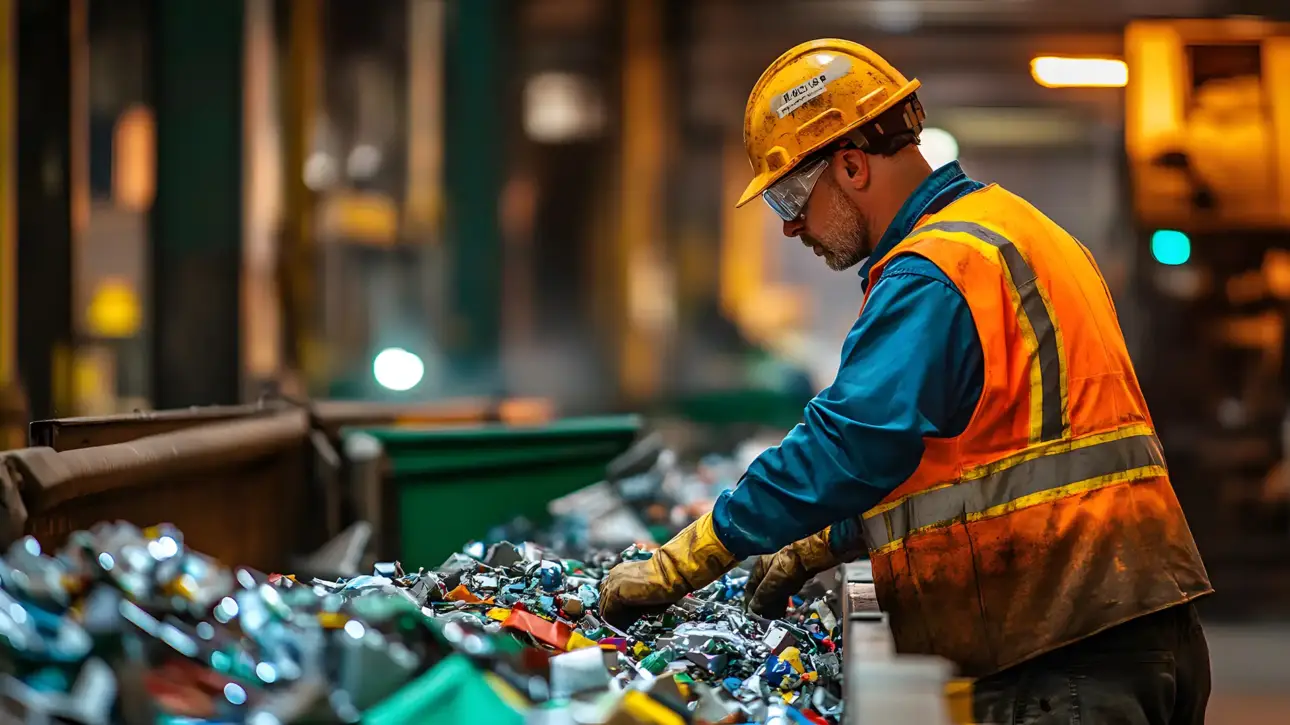
Waste management is one of the fundamental pillars for environmental sustainability and the transition towards a circular economy. In Portugal, strict and demanding legislation is in place, such as the National Waste Management Plan (PNGR) and European directives, which guide companies and municipalities towards advanced and responsible treatment solutions. In this context,...
How the Circular Economy comes about
The increase in population, growth in demand and the consequent pressure on natural resources reinforce the need for modern societies to move towards a more sustainable paradigm and a "greener" economy.
In this context, the concept of the "Circular Economy" emerged, a model of production and consumption that involves sharing,...
Global sustainability goals
The Global Sustainability Goals, also known as the Sustainable Development Goals (SDGs), are part of the UN's 2030 Agenda, created to guide global efforts in favour of balanced and sustainable development.
Adopted by all United Nations member states in 2015, the 2030 Agenda for Sustainable Development defines...