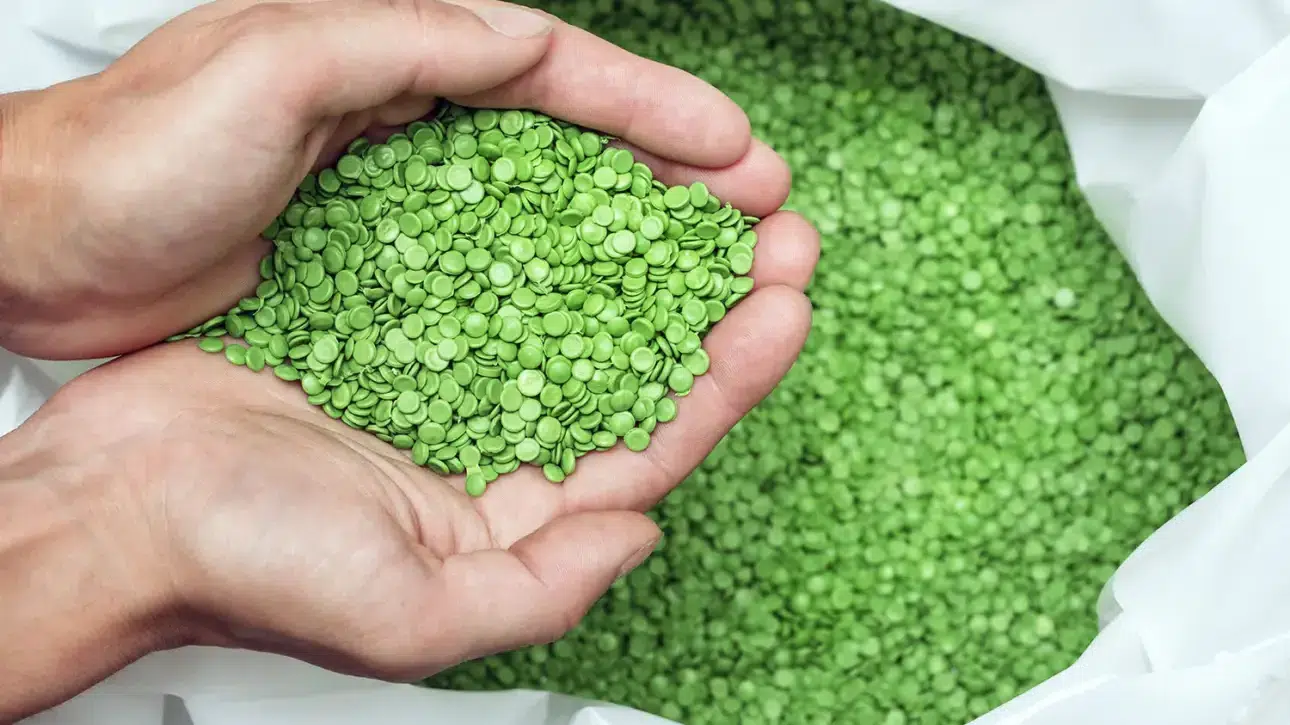
For decades, recycled materials were regarded as second-best solutions and were therefore only incorporated into products with low added value. This perception became deeply ingrained in both the industrial sector and public discourse, fuelled by rudimentary waste treatment practices, a lack of rigorous technical oversight and poor standardisation of processes. However, this view…
The transition to more sustainable production models has been gathering pace, driven by developments in European legislation, market demands and growing environmental awareness. In this transformation, waste management and recovery play a central role, particularly in the case of complex materials such as textile fibres and composites, each…
The circular economy has long since ceased to be an abstract concept and has established itself as a strategic priority for environmental and industrial policies in Portugal. The linear model — produce, consume and dispose of — has become unsustainable in the face of the depletion of natural resources and increasing pressure on landfill sites and ecosystems. In this context, the…
In a context of growing environmental pressure and stricter legal requirements, industrial companies face the challenge of reducing waste and adopting more sustainable practices. Reducing waste not only minimises environmental impacts, it also contributes to operational efficiency, generates savings and enhances the corporate image. In Portugal, initiatives such as...
Environmental education within companies is now one of the central pillars for achieving sustainability. More than a legal requirement or a social responsibility, it is a strategic tool that allows organisations to reduce environmental impacts, optimise processes and build a positive reputation with customers, investors and suppliers. In Portugal and...
Environmental certifications are fundamental tools for regulating sectors of activity and encouraging the agents involved to adapt their operations to the principles of sustainability, quality and regulatory compliance. In the area of waste management and recovery, such as plastics, textiles and marine waste, environmental certifications ensure operational excellence, promote customer confidence and...
As part of World Nature Conservation Day, celebrated annually on 28 July, we reflect on the role of the circular economy in preserving ecosystems and natural resources. The importance of nature conservation World Nature Conservation Day is celebrated on 28 July with the aim of raising awareness of the...
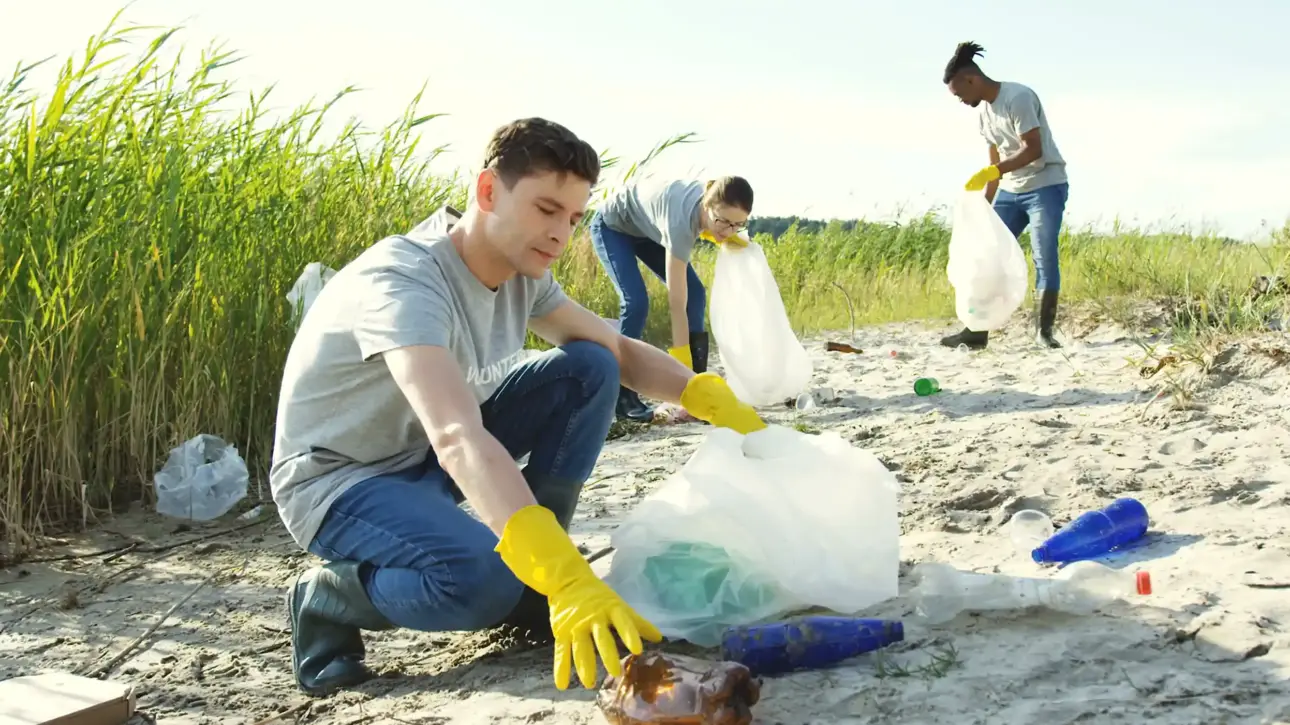
On 5 June, World Environment Day is celebrated, a date created by the United Nations (UN) in 1972 with the aim of raising global awareness of environmental issues and promoting actions that help preserve the planet. This day invokes the crucial role that all of us - individuals, companies, governments...
Waste management is one of the central areas of contemporary environmental policy. As the impact of human activity on the planet becomes increasingly visible, governments are adopting strategies to ensure a more circular, efficient and sustainable economy. Portugal, the European Union and several nations around the world have...
Corporate sustainability is currently a key factor in the competitiveness and longevity of organisations. With the intensification of environmental regulations, the growing demand from conscious consumers and the need to mitigate the impacts of climate change, integrating sustainable practices has become a strategic priority for industrial, commercial, agricultural and other companies. How to implement...
In the current global scenario, characterised by climate change, resource scarcity and regulatory pressure, sustainable waste management has become a priority for industries. Adopting the principles of the "3Rs" - Reduce, Reuse and Recycle - not only responds to these needs, but also promotes operational efficiency, innovation and environmental responsibility. When supported by...
Environmental regulations are crucial tools for promoting sustainable and responsible practices in all economic sectors. They have been specially developed to protect the environment, promote the circular economy and ensure the efficient use of natural resources. These regulations, whether national or international, have a direct impact on both companies and consumers, shaping behaviour and driving...